
Stress and Anxiety
Chronic stress and anxiety don't just affect mood — they reshape how your brain and body communicate. Your stress response system (the HPA axis) and reproductive hormone system share significant overlap: when one is dysregulated, the other often follows. Estrogen has a calming effect by modulating cortisol, while progesterone can increase anxiety in some women. This means your ability to cope with stress naturally fluctuates throughout your cycle, with many women experiencing heightened anxiety during the luteal phase.
Hormones affect stress response
Estrogen has a calming effect on the stress response, while progesterone can increase anxiety in some women. This means your ability to cope with stress naturally fluctuates throughout your cycle.
Heightened anxiety phases
Many women experience increased anxiety during the luteal phase and around menstruation. This can manifest as racing thoughts, physical tension, difficulty relaxing, or feeling overwhelmed by normal demands.
Building cycle-aware resilience
Understanding when you're more vulnerable to stress allows you to plan accordingly — scheduling demanding tasks for resilient phases and building in extra support when needed. Brain-based tools can also help regulate the nervous system.Possible Causes of Stress and Anxiety
Estrogen withdrawal
Estrogen has an anti-anxiety effect by modulating cortisol and supporting serotonin. When estrogen drops in the luteal phase and during menstruation, this protective buffer is reduced, leaving you more vulnerable to stress.
Progesterone and anxiety
While progesterone metabolites normally promote calm through GABA receptors, some women's brains respond paradoxically to these changes, experiencing increased anxiety rather than relaxation during the luteal phase.
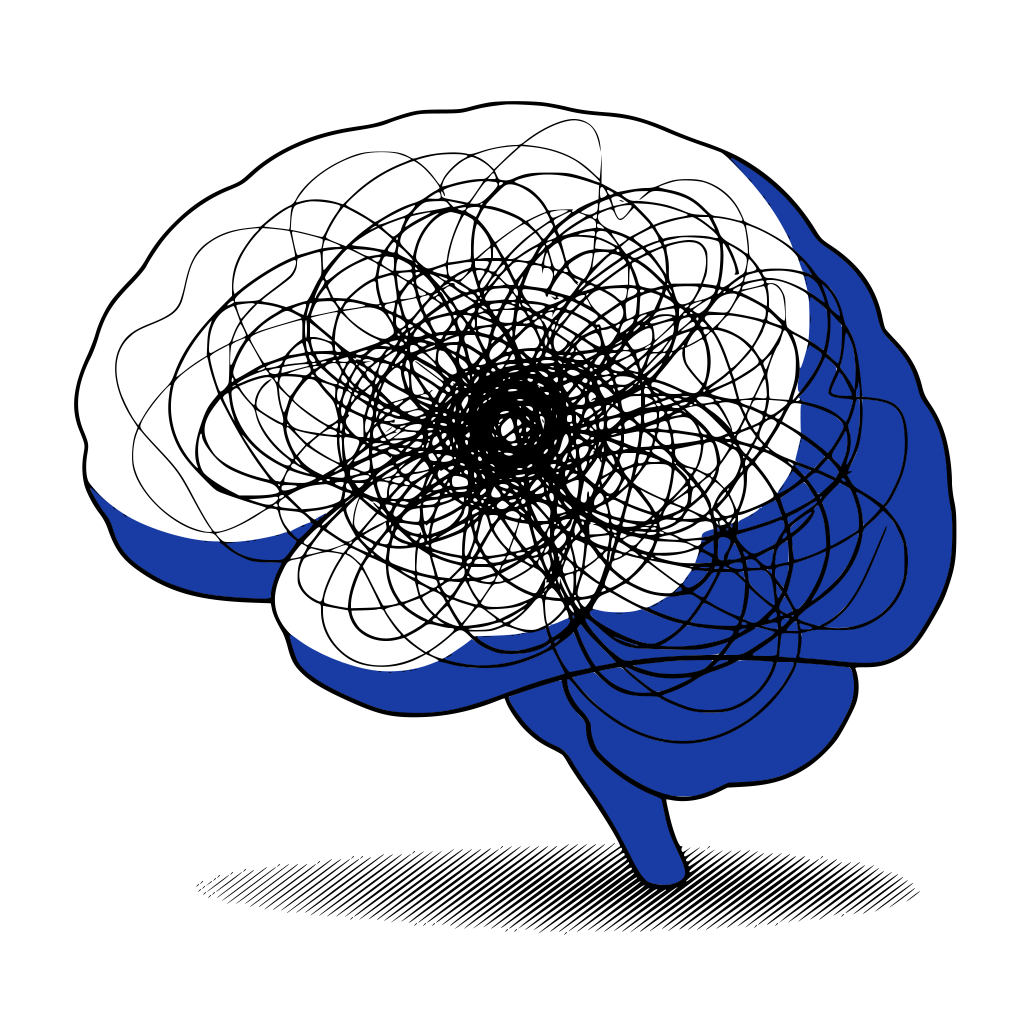
Cortisol-hormone interaction
Your HPA axis (stress response system) and reproductive hormone system share significant overlap. Chronic stress elevates cortisol, which can suppress reproductive hormone production, disrupt cycle regularity, and promote inflammation. Meanwhile, hormonal fluctuations amplify your stress response, creating a feedback loop.
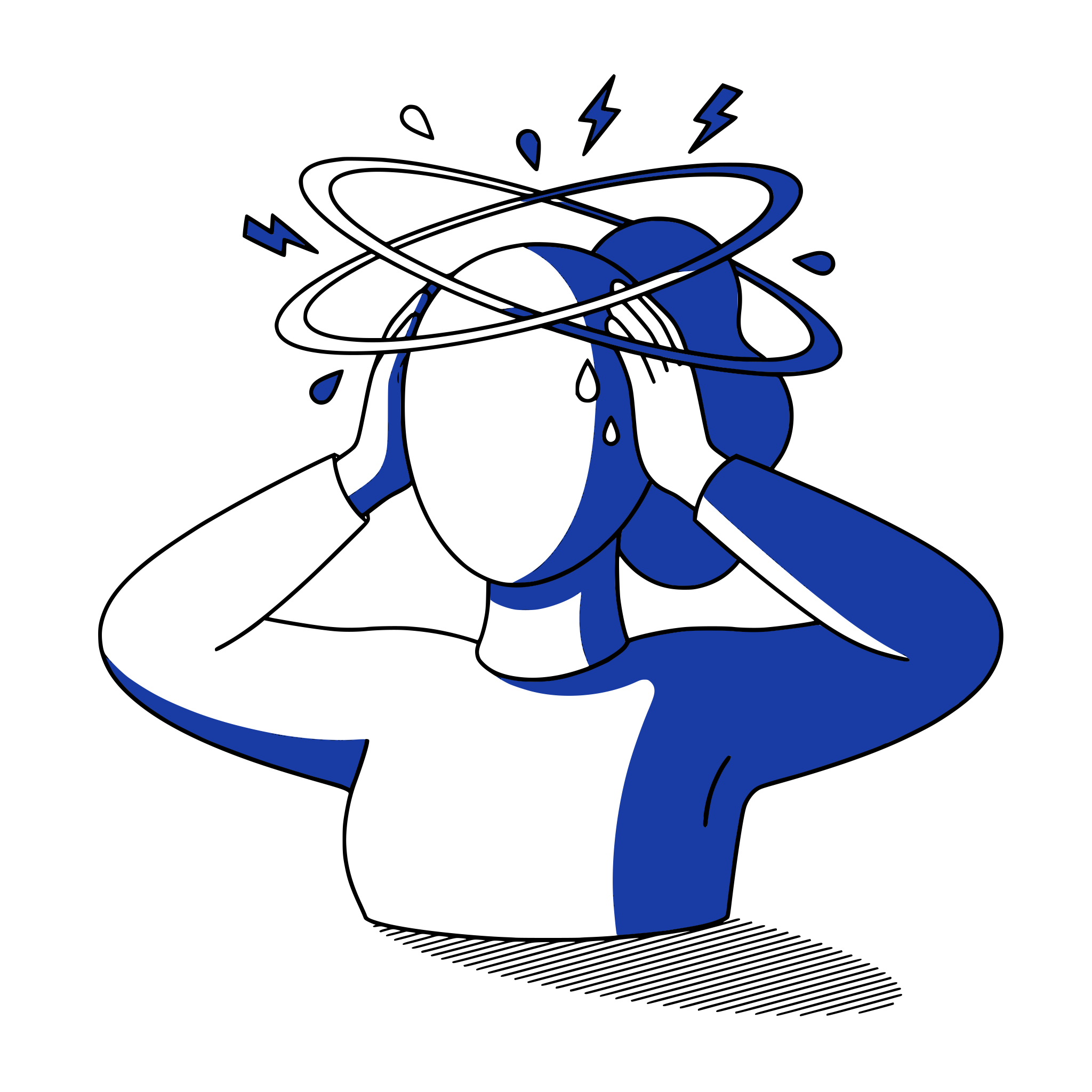
Nervous system sensitivity
During certain cycle phases, your autonomic nervous system becomes more reactive. The threshold for triggering a fight-or-flight response lowers, meaning situations you'd normally handle feel overwhelming.
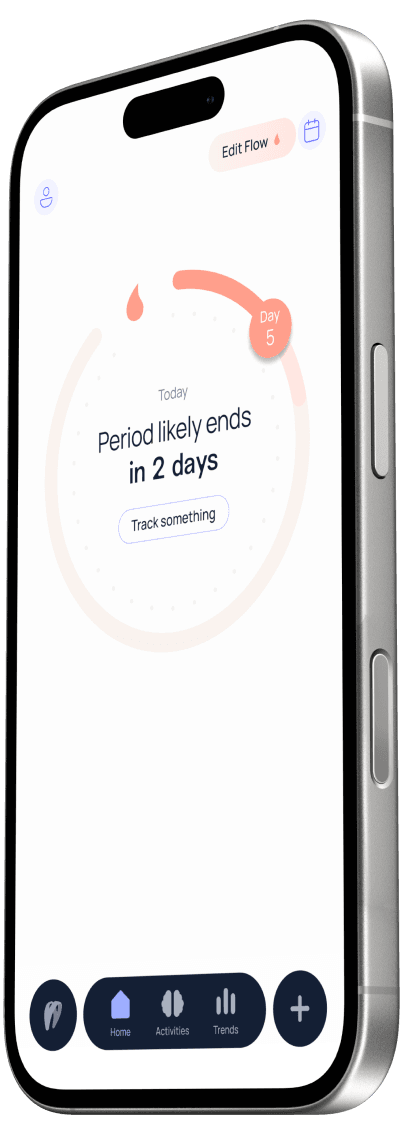
Your experiences with precision
The Samphire App helps you track a comprehensive range of symptoms, giving you the insights you need to better understand your experiences and communicate effectively with those around you.
Heightened anxiety
Excessive worry, nervousness, or feeling on edge that intensifies during the luteal phase
Difficulty concentrating
Stress and anxiety consuming mental bandwidth, reducing focus
Racing thoughts
Difficulty quieting your mind, especially at night or during stressful situations
Physical tension
Muscle tightness, particularly in the shoulders, neck, and jaw
Feeling overwhelmed
Normal responsibilities feeling unmanageable during vulnerable cycle phases
Tension headaches
Stress-related headaches that worsen during vulnerable cycle phases
Irritability
Short temper and low frustration tolerance amplified by hormonal stress sensitivity
Sleep disruptions
Difficulty falling or staying asleep due to anxiety and racing thoughts
Low mood
Stress-related sadness or hopelessness, particularly in the luteal phase
Digestive issues
Stress-related nausea, stomach discomfort, or appetite changes
Treatment Landscape
The Options Available
Managing cycle-related stress works best when you combine self-awareness with targeted strategies. Start with understanding your patterns, then explore additional tools and support as needed.
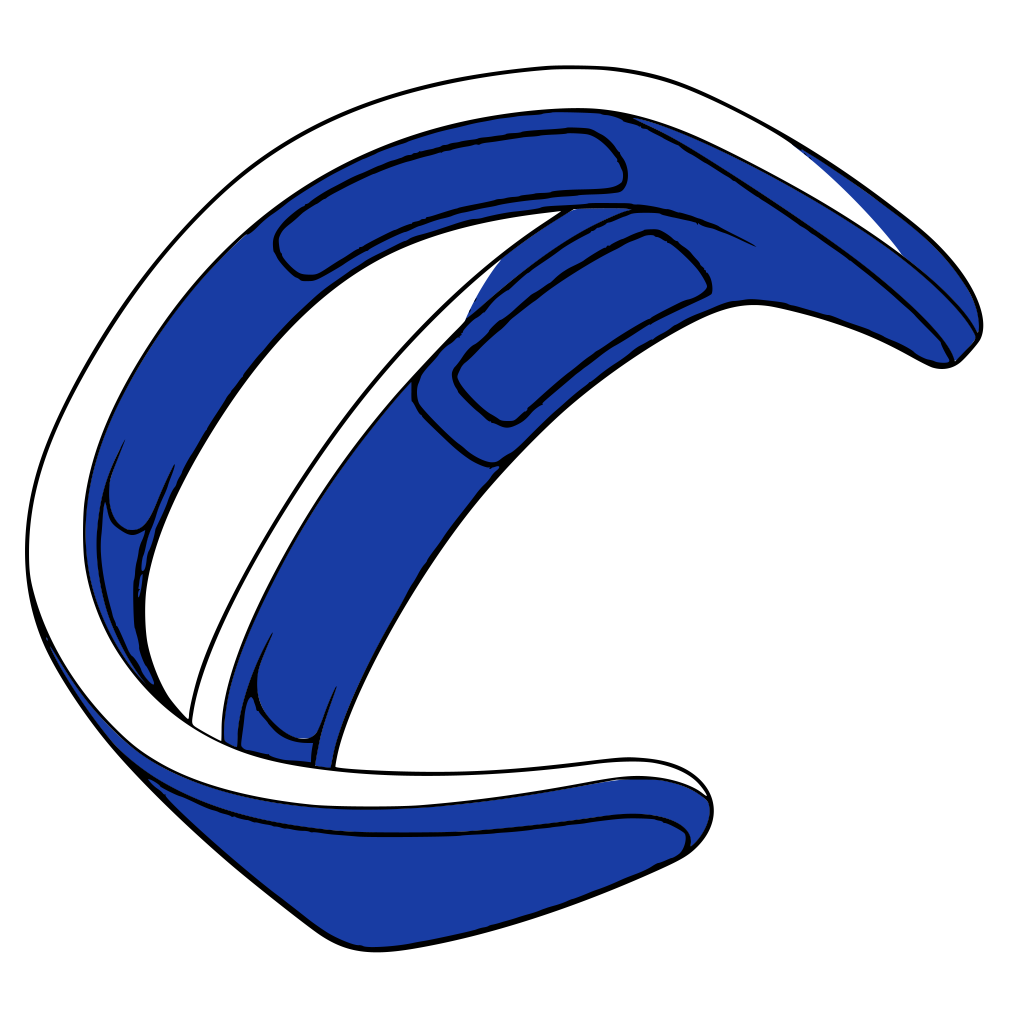
Non-invasive neurostimulation
Brain-based approaches that help regulate the nervous system, reducing anxiety and supporting a calmer state even during high-stress cycle phases.
Cognitive behavioral therapy
CBT helps identify and reframe anxious thought patterns, building more balanced responses to stressors across your cycle.
Breathwork and meditation
Practices that activate the parasympathetic nervous system, countering the fight-or-flight response and promoting calm.
Medication support
For persistent anxiety, SSRIs or anti-anxiety medications may help. Some can be taken only during the luteal phase. Consult your healthcare provider.
Progressive muscle relaxation
Systematic tension-release techniques that reduce physical stress symptoms and promote relaxation.
Cycle-phase planning
Scheduling high-demand activities during resilient phases and building in extra support and recovery time during vulnerable phases.

Brain-based relief
Lutea™ supports overall wellbeing across your cycle through gentle neurostimulation — no hormones, no drugs, no known interactions.
Brain-based relief
Lutea™ supports overall wellbeing across your cycle through gentle neurostimulation — no hormones, no drugs, no known interactions.
Our Blog
Selected articles


Dos and Don'ts
Most Common Questions
Here are some of the most common questions about stress and anxiety we receive from our community.
We see patterns others ignore.
Too often, systems treat symptoms in isolation. Our solutions work across the brain, body and cycle - connecting the dots between pain, mood, focus, hormones and more.










For educational purposes only
This information should not replace professional medical advice. Always consult with your healthcare provider for personalized medical guidance.
Contact Support