
Neuroplasticity
Your brain is not fixed — it's constantly changing, adapting, and rewiring based on your experiences, behaviors, and environment. Neuroplasticity allows your brain to form new neural connections, strengthen existing ones, and even grow new neurons throughout life. This ability is directly influenced by your menstrual cycle: studies show that brain regions including the hippocampus and prefrontal cortex actually change in volume across your cycle, correlating with estrogen levels. Understanding and harnessing neuroplasticity opens up new possibilities for managing chronic conditions, improving focus, and supporting lasting change.
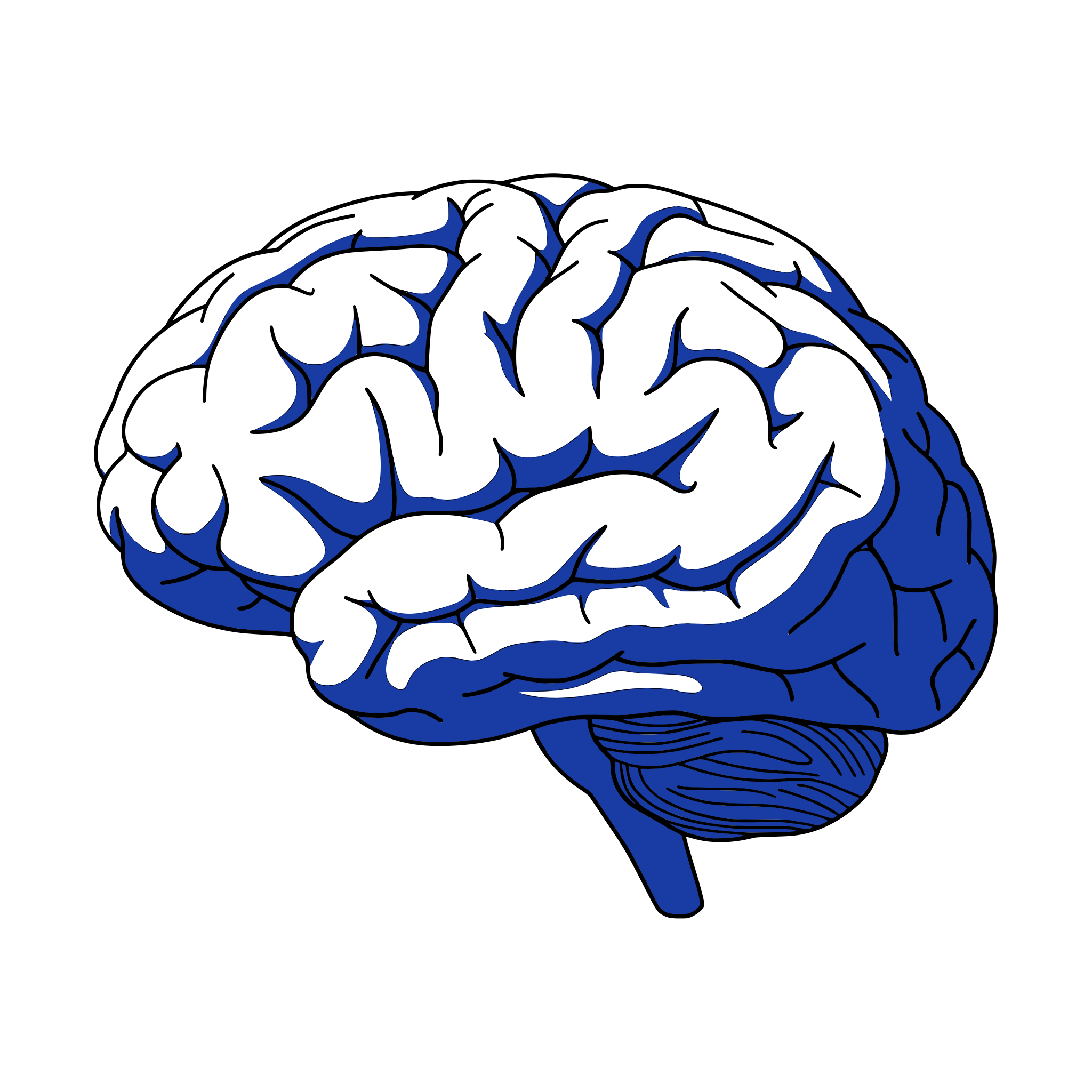
The brain's ability to change
Neuroplasticity encompasses structural plasticity (physically changing brain structure, growing new neurons), functional plasticity (other brain areas taking over when needed), and experience-dependent plasticity (every experience physically reshaping your brain). The more a neural pathway is used, the stronger and faster it becomes through synaptic strengthening and myelination.
Often underestimated
Many people underestimate how much their brain can change. Research shows that targeted interventions can create measurable changes in brain structure and function, even in adulthood. This opens up possibilities for managing chronic conditions and enhancing wellbeing.
Brain-aware care
Care using neuroplasticity focuses on intentional, repeated activation of neural pathways. This can include cognitive and behavioral therapies, or non-invasive brain stimulation, targeting emotional regulation and nervous system flexibility for more personalized and lasting change.Possible Causes of Neuroplasticity

Hormonal environment
Research shows brain structure actually changes across your menstrual cycle — the hippocampus (memory) and prefrontal cortex (decision-making) show measurable volume changes correlating with estrogen levels. Estrogen promotes synaptic growth and neural connectivity, creating windows of enhanced brain adaptability.
Repeated stimulation
Neural pathways strengthen through consistent, targeted activation. Whether through learning, therapy, or brain stimulation, the principle of 'neurons that fire together, wire together' drives lasting brain change.

Stress and sleep
Chronic stress and poor sleep impair neuroplasticity by elevating cortisol and reducing the brain's capacity for repair. Quality rest and stress management create conditions where the brain can adapt more effectively.

Physical activity
Exercise increases brain-derived neurotrophic factor (BDNF), a protein that supports the growth and maintenance of neurons. Regular physical activity is one of the most effective ways to enhance neuroplasticity.
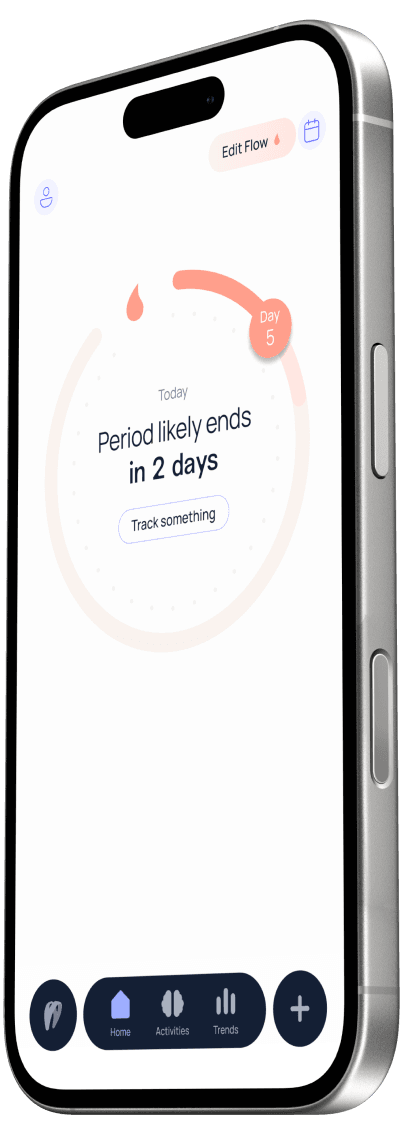
Your experiences with precision
The Samphire App helps you track a comprehensive range of symptoms, giving you the insights you need to better understand your experiences and communicate effectively with those around you.
Brain fog
Difficulty thinking clearly, processing information, or making decisions
Increased stress response
Heightened reactivity to stressors that were previously manageable
Difficulty learning new things
Struggling to acquire new skills or retain new information
Sleep disruptions
Poor sleep quality reduces the brain's capacity for neural repair and adaptation
Emotional rigidity
Difficulty adapting emotional responses to changing situations
Low energy
Persistent fatigue that may reflect reduced neural efficiency
Mental fatigue
Feeling mentally exhausted from routine cognitive tasks
Tension headaches
From cognitive strain when neural pathways are working less efficiently
Difficulty adapting to change
Struggling to adjust to new routines, environments, or circumstances
Chronic pain sensitivity
Reduced neuroplasticity can contribute to how the brain processes and amplifies pain signals
Treatment Landscape
The Options Available
Enhancing neuroplasticity works best when you combine multiple approaches. The brain responds to consistent, varied stimulation — so layering these strategies creates the strongest foundation for lasting change.

Non-invasive neurostimulation
Brain stimulation techniques that directly enhance neuroplasticity in targeted brain regions, supporting focus, emotional regulation, and pain management.
Cognitive training
Structured mental exercises and learning activities that strengthen neural pathways through repeated, intentional activation.
Physical exercise
Regular movement increases BDNF and other growth factors that support neural growth and maintenance.
Mindfulness and meditation
Practices that have been shown to produce measurable changes in brain structure, particularly in areas related to attention and emotional regulation.

Nutritional support
Omega-3 fatty acids, antioxidants, and adequate micronutrients support the biological processes underlying neuroplasticity.
Quality sleep
Deep sleep is when the brain consolidates learning and performs neural maintenance — optimizing sleep directly enhances neuroplasticity.

Brain-based relief
Lutea™ supports overall wellbeing across your cycle through gentle neurostimulation — no hormones, no drugs, no known interactions.
Brain-based relief
Lutea™ supports overall wellbeing across your cycle through gentle neurostimulation — no hormones, no drugs, no known interactions.
Our Blog
Selected articles


Dos and Don'ts
Most Common Questions
Here are some of the most common questions about neuroplasticity we receive from our community.
We see patterns others ignore.
Too often, systems treat symptoms in isolation. Our solutions work across the brain, body and cycle - connecting the dots between pain, mood, focus, hormones and more.











For educational purposes only
This information should not replace professional medical advice. Always consult with your healthcare provider for personalized medical guidance.
Contact Support